- 1920 Palm Beach Lakes Blvd #211, West Palm Beach, FL 33409
- Telehealth: Serving clients throughout Florida
 Skip to content
 Do you experience periods of intense energy, elevated mood, racing thoughts, and a feeling of invincibility — followed by crashes into depression so deep that getting out of bed feels impossible? Does your life feel like a series of highs and lows that you cannot predict or control — disrupting your relationships, your work, your finances, and your sense of who you are?
Perhaps you have already received a diagnosis of bipolar disorder and are looking for therapeutic support to complement your medication management. Or perhaps you have been struggling for years with mood swings that feel extreme and unexplainable, and you are wondering whether bipolar disorder might explain what you have been experiencing.
Whatever brings you here, you deserve compassionate, knowledgeable care from therapists who understand the complexity of bipolar disorder and are committed to helping you build a stable, fulfilling life.
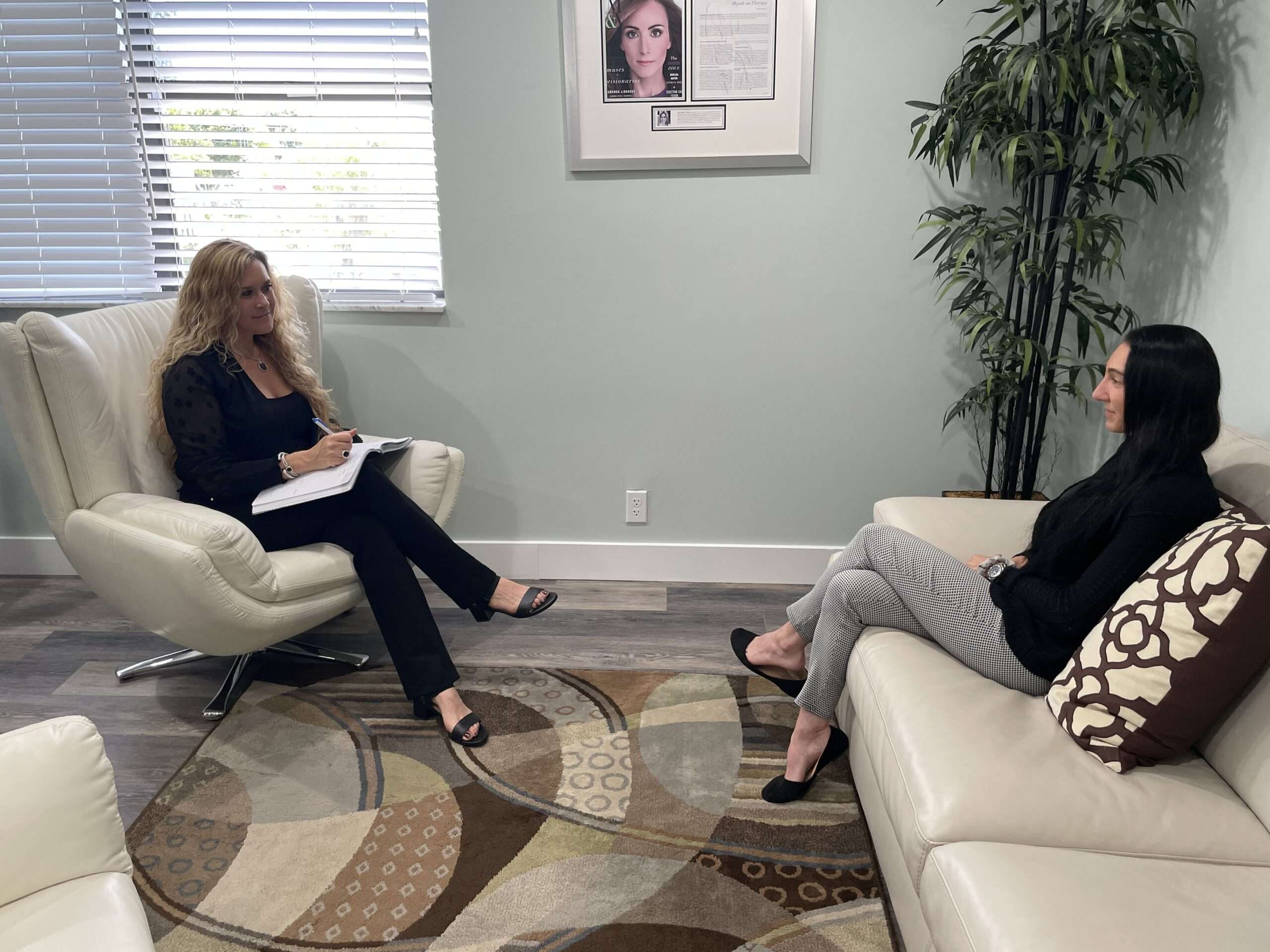
At Whole Health Psychological Center, our team of licensed therapists provides evidence-based bipolar disorder treatment in West Palm Beach and throughout Florida. We offer in-person sessions at our West Palm Beach office and telehealth sessions for clients throughout Florida.
Bipolar disorder is a mood disorder characterized by significant shifts in mood, energy, activity levels, and the ability to function. These shifts — known as mood episodes — are more extreme than the normal ups and downs that everyone experiences and can have profound impacts on every area of life.
Bipolar disorder is a complex condition that is frequently misunderstood — both by the general public and, tragically, within the healthcare system. Many people with bipolar disorder go years or even decades without an accurate diagnosis, often being treated for depression alone while the manic or hypomanic episodes go unrecognized. Understanding the different presentations of bipolar disorder is essential to getting the right treatment.
Bipolar I Disorder is characterized by manic episodes lasting at least seven days — or less if the symptoms are severe enough to require hospitalization. Manic episodes involve elevated or irritable mood, dramatically decreased need for sleep, racing thoughts, pressured speech, grandiosity, increased goal-directed activity, and impulsive or reckless behavior. Depressive episodes also occur in Bipolar I, though they are not required for the diagnosis.
Bipolar II Disorder is characterized by hypomanic episodes — which are less severe than full mania and do not cause the same degree of functional impairment — alternating with major depressive episodes. Bipolar II is frequently misdiagnosed as major depression because the hypomanic episodes, while present, may not be recognized as part of a bipolar pattern.
Cyclothymic Disorder involves numerous periods of hypomanic symptoms and depressive symptoms over at least two years that do not meet the full criteria for hypomanic or major depressive episodes. While less severe than Bipolar I or II, cyclothymia significantly affects quality of life and benefits from treatment.
Other Specified Bipolar and Related Disorders captures presentations that involve bipolar features but do not meet the full criteria for the above diagnoses.
Bipolar disorder affects virtually every area of life. Understanding its broad impact helps explain why comprehensive treatment — addressing not just mood stabilization but the full range of consequences — is so important.
Relationships are frequently strained by the unpredictability of mood episodes. During manic episodes impulsive behavior, irritability, and reduced judgment can cause significant damage to relationships. During depressive episodes withdrawal, hopelessness, and low energy create distance and disconnection. Partners, family members, and friends often feel confused, hurt, and helpless — and many relationships do not survive without support.
Work and finances are commonly affected. Manic episodes may lead to overcommitment, impulsive business decisions, excessive spending, or erratic behavior that jeopardizes employment. Depressive episodes may make it impossible to maintain consistent performance or attendance.
Self-esteem and identity are deeply affected by the experience of losing control of one’s own mind and behavior. Many people with bipolar disorder carry profound shame about things they said or did during mood episodes — and struggle to maintain a stable sense of who they are across the dramatic shifts in their experience.
Physical health is impacted by the sleep disruption, lifestyle irregularity, and stress that accompany bipolar disorder. People with bipolar disorder have significantly higher rates of cardiovascular disease, metabolic syndrome, and other physical health conditions.
Therapy is an essential component of comprehensive bipolar disorder treatment. While medication is typically the foundation of bipolar disorder management — providing mood stabilization that makes therapeutic work possible — therapy addresses the psychological, behavioral, and relational dimensions of the condition that medication alone cannot reach.
Our therapists use evidence-based approaches specifically adapted for bipolar disorder.
Cognitive Behavioral Therapy for Bipolar Disorder
CBT adapted for bipolar disorder helps clients identify the early warning signs of mood episodes, develop personalized action plans for responding to those warning signs, challenge the distorted thinking patterns that accompany both manic and depressive episodes, and address the negative beliefs about self and future that depression so reliably generates.
Interpersonal and Social Rhythm Therapy
IPSRT is one of the most well-researched psychological treatments specifically for bipolar disorder. It is built on the understanding that disruptions to social rhythms — the regular daily routines of sleeping, eating, activity, and social interaction — can trigger mood episodes in people with bipolar disorder. IPSRT helps clients stabilize their daily routines, address the interpersonal difficulties that both contribute to and result from mood instability, and navigate the grief of living with a chronic condition.
Psychoeducation
Understanding bipolar disorder — its neurobiology, its triggers, its patterns, and its treatment — is itself a powerful therapeutic intervention. Our therapists provide comprehensive psychoeducation that helps clients and their families make sense of the condition.
DBT Skills for Bipolar Disorder
DBT skills — particularly emotion regulation, distress tolerance, and mindfulness — are highly valuable for people with bipolar disorder, helping them manage the intense emotional states that accompany mood episodes and develop greater stability between episodes.
Bipolar disorder affects the whole family. Family-focused therapy involves loved ones in the treatment process — improving communication, reducing conflict within the family system, and building a shared understanding of the condition and how to support the person with bipolar disorder effectively.
Medication is typically an essential component of bipolar disorder treatment. Our licensed psychiatric nurse practitioner provides comprehensive psychiatric evaluations and medication management for bipolar disorder at our West Palm Beach office. Coordinating therapy and medication management under one roof allows for the integrated, consistent care that produces the best outcomes.
Living with bipolar disorder in Palm Beach County comes with some specific realities. Sleep disruption is one of the most significant triggers of mood episodes, and Florida life — hurricane evacuations, summer heat that makes sleep harder, seasonal time changes, travel between homes for snowbird families — is full of rhythm disruptors. The social calendar of winter season in Palm Beach County, with its intense pace and late nights, can be destabilizing for clients who have built their recovery around consistent routines. And for clients who moved to Florida from somewhere else, the distance from family members who knew them before the diagnosis — and who might help catch warning signs — is often significant.
Our therapists work with clients from throughout West Palm Beach — including Northwood, Flamingo Park, El Cid, Southend, Grandview Heights, and Downtown — as well as from Palm Beach Gardens, Jupiter, Wellington, Boynton Beach, Boca Raton, and Delray Beach. Whether you are recently diagnosed, newly stabilized, or managing bipolar disorder over many years, we can help.
Your First Session
Your first session is focused on understanding your experience of bipolar disorder — your history of mood episodes, your current symptoms, your treatment history, and your goals.
Building Your Treatment Plan
Your therapist will work with you to develop a personalized treatment plan. For most clients with bipolar disorder this includes mood monitoring, early warning sign identification, lifestyle stabilization, and targeted work on the psychological and relational impacts of the condition.
Ongoing Sessions
Sessions are 55 minutes and typically occur weekly, particularly at the start of treatment. We offer in-person sessions at our West Palm Beach office at 1920 Palm Beach Lakes Blvd #211, West Palm Beach, FL 33409, and secure telehealth video sessions for clients throughout Florida.
Bipolar disorder is a lifelong condition that benefits from ongoing therapeutic support. Many clients engage in more intensive therapy during periods of mood instability and transition to less frequent maintenance sessions during periods of stability.
We accept most major insurance plans for bipolar disorder treatment, including Aetna, Blue Cross Blue Shield / Florida Blue, Cigna / Evernorth, United Health Care, Tricare East, and Medicare Part B.
Not sure if your plan covers bipolar disorder treatment? Call our office at (561) 721-6400 and our team will verify your benefits before your first appointment.
I have been diagnosed with bipolar disorder but I am already on medication. Do I still need therapy?
Yes. Research consistently shows that the combination of medication and therapy produces significantly better outcomes for bipolar disorder than medication alone. Therapy addresses the psychological, behavioral, and relational dimensions of the condition that medication cannot reach.
How do I know if I have bipolar disorder or just depression?
This is one of the most important diagnostic questions in mental health — and getting it right matters enormously because the treatment for bipolar disorder is significantly different from the treatment for unipolar depression. If you have been treated for depression but have not responded well, or if you have noticed periods of elevated mood, reduced need for sleep, or increased energy and activity alongside your depressive episodes, it is worth discussing the possibility of bipolar disorder with a mental health professional.
Can people with bipolar disorder live normal lives?
Absolutely. With appropriate treatment — including medication, therapy, and lifestyle management — many people with bipolar disorder lead full, successful, and deeply meaningful lives.
My family member has bipolar disorder and I am struggling too. Can I get support?
Yes. Living with or caring for someone with bipolar disorder is genuinely challenging and the people who love someone with bipolar disorder often need their own support. We provide individual therapy for family members and partners of people with bipolar disorder, as well as family-focused therapy.
I was recently diagnosed and I am struggling to accept it. Is that normal?
Completely normal and very common. Receiving a diagnosis of bipolar disorder can bring a complicated mix of emotions — relief at finally having an explanation, grief at the implications of a lifelong condition, fear about the future, and sometimes denial or anger. Processing these reactions is an important part of treatment.
Bipolar disorder is one of the most challenging mental health conditions to live with — but it is also one of the most treatable. With the right combination of medication, therapy, lifestyle management, and support, the vast majority of people with bipolar disorder are able to achieve significant stability and live full, meaningful lives.
Our team of licensed therapists at Whole Health Psychological Center is here to help you build that stability. We serve clients in person in West Palm Beach and via telehealth throughout Florida.
Call us today at (561) 721-6400 or schedule online to take the first step. New client appointments are typically available within one week. Evening and weekend sessions are available.
Call us at (561) 721-6400, email us at info@wholehealthpsych.com, or visit us in person at 1920 Palm Beach Lakes Blvd #211, West Palm Beach, FL 33409. Telehealth is available throughout Florida.
We provide bipolar disorder treatment in West Palm Beach, Palm Beach Gardens, Wellington, Boca Raton, Boynton Beach, Jupiter, Delray Beach, and throughout Florida via telehealth.

Deep breathing, a tool for decreasing anxiety.

Tips for parents during the pandemic

Sports Psychology is the use of psychological knowledge and skills to encourage optimal performance and well-being of athletes. It also addresses the developmental, social, and systemic components of sports and the organizations, coaches, and players involved.