- 1920 Palm Beach Lakes Blvd #211, West Palm Beach, FL 33409
- Telehealth: Serving clients throughout Florida
 Skip to content
 Have you recently lost someone you love — and found that the grief is bigger, heavier, and more disorienting than you ever expected? Does the world feel fundamentally changed, as though something essential has been taken from it? Are you struggling to get through the day, to concentrate, to care about things that used to matter — or simply to imagine a future that feels worth living?
Or perhaps your loss was not recent. Maybe you have been carrying grief for months or years — grief that others expect you to be “over” by now — and yet it still weighs on you in ways you cannot fully explain or express.
Grief is one of the most universal and most isolating human experiences. We all know loss is coming, and yet nothing truly prepares us for it. And in a culture that tends to be deeply uncomfortable with grief — that offers condolences for a week and then quietly expects people to move on — many grieving people find themselves suffering in silence, feeling pressure to appear stronger or more recovered than they actually are.
You do not have to grieve alone. And you do not have to rush.
At Whole Health Psychological Center, our team of licensed grief counselors in West Palm Beach provides compassionate, unhurried support for people navigating loss of every kind. We offer in-person sessions at our West Palm Beach office and telehealth sessions for clients throughout Florida.
Grief is the natural human response to loss. While we most commonly associate grief with the death of a loved one, grief can arise from any significant loss — the end of a relationship, the loss of a pregnancy, the death of a pet, the loss of a job or career, the loss of health, the loss of a dream or a vision of the future you had imagined.
Grief is not a problem to be solved or a disorder to be treated. It is a natural, necessary process — the mind and heart’s way of integrating a reality that has fundamentally changed. The goal of grief counseling is not to eliminate grief but to support you in moving through it in a way that honors both the depth of your loss and your capacity for healing and continued living.
Grief is also deeply individual. There is no right way to grieve and no prescribed timeline. Some people cry freely and often. Others feel numb, disconnected, or strangely unable to cry at all. Some feel angry. Some feel guilty. Some experience relief — particularly when a loved one died after a prolonged illness — and then feel ashamed of that relief. All of these responses are normal. All of them deserve compassionate, non-judgmental support.
Our grief counselors work with clients navigating a wide range of losses including:
Death of a loved one including the loss of a spouse or partner, a parent, a child, a sibling, a close friend, or another significant person in your life.
Sudden or traumatic loss including death by suicide, homicide, accident, or sudden illness — losses that carry an additional layer of shock and trauma that complicates the grieving process.
Anticipatory grief when a loved one has received a terminal diagnosis and you are grieving their loss before it has happened — a profoundly difficult and often overlooked form of grief.
Pregnancy and infant loss including miscarriage, stillbirth, and the death of an infant — losses that are often minimized by others and can be accompanied by intense isolation and shame.
Loss of a pet which can be as devastating as the loss of a human loved one and is frequently dismissed or minimized by those who have not experienced it.
Divorce and relationship loss including the grief of a marriage ending, a significant relationship dissolving, or the loss of the future you had imagined with someone.
Loss of health including adjusting to a serious diagnosis, chronic illness, or physical disability that has fundamentally changed your life and sense of self.
Complicated or prolonged grief when grief has become stuck — remaining at the same intensity for an extended period without the natural softening that most people experience over time.
Cumulative loss when multiple losses have occurred in a relatively short period, making it difficult to process any one of them fully before another arrives.
While most people move through grief naturally over time — with the acute pain gradually softening into a more bearable sadness and an integration of the loss into their ongoing life — some people experience what is known as complicated grief or prolonged grief disorder.
Complicated grief is characterized by intense, persistent grief that does not follow the natural trajectory of healing. It may involve an inability to accept the reality of the loss, intense longing and yearning for the person who died, bitterness or anger about the loss, difficulty engaging with life, or a sense that life is meaningless without the person who died.
Complicated grief is not a sign of weakness or of loving too much. It is a recognized clinical condition that responds well to specialized treatment. If you feel that your grief has become stuck — that you are not moving through it but simply surviving it — reaching out for professional support is an important and courageous step.
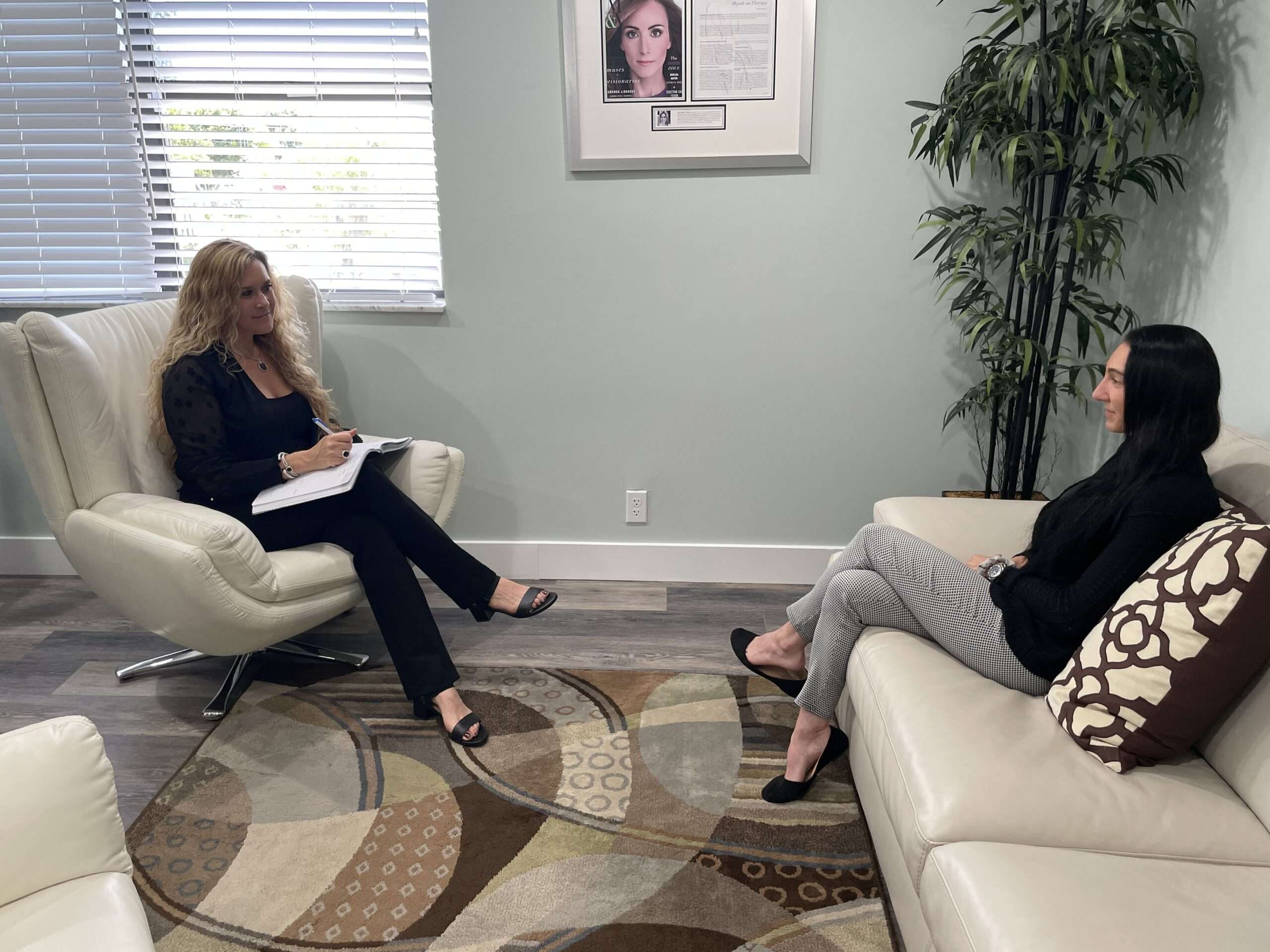
Grief counseling at Whole Health Psychological Center is not about pushing you through a predetermined set of stages or telling you how you should be feeling. It is about providing a consistent, compassionate, and non-judgmental presence that walks alongside you through one of the hardest experiences of your life.
Our therapists draw from a range of approaches depending on your needs, the nature of your loss, and where you are in your grieving process.
Supportive and Humanistic Therapy
At its core, grief counseling provides something profoundly simple and profoundly powerful — a space where your loss is taken seriously, your grief is witnessed without judgment, and you are given permission to feel everything you are feeling without pressure to be anywhere other than where you are.
Meaning-Making Approaches
Drawing from the work of grief researchers like Dr. Robert Neimeyer, meaning-making approaches help grieving people integrate their loss into their ongoing life narrative — not by forgetting or moving on from the person they lost but by finding ways to carry that person with them as they move forward.
Continuing Bonds
Contemporary grief research challenges the old idea that healthy grieving requires “letting go.” Continuing bonds approaches recognize that maintaining an ongoing inner relationship with the person who died — through memory, ritual, and a sense of continued connection — is a natural and healthy part of grief for many people.
Trauma-Informed Grief Therapy
For losses that were sudden, violent, or otherwise traumatic, grief and trauma are deeply intertwined. Our therapists are trained to address the trauma component of traumatic loss — including through EMDR when appropriate — so that the grief can be processed more fully. For more on our trauma work, see our PTSD therapy page.
CBT-Based Approaches for Complicated Grief
For clients experiencing complicated or prolonged grief, Cognitive Behavioral Therapy approaches specifically adapted for grief help address the stuck patterns of thinking and avoidance that maintain grief at its most acute intensity.
Grief in Palm Beach County has some particular shapes. The widow who moved here with her husband for retirement, expecting decades of golf and grandchildren’s visits, and now finds herself alone in a place where everyone she knows is a couple. The adult child who flew in from up north, held a hand through the final weeks, and flew home afterward — and now has to grieve from another state, without the comfort of being where their parent actually lived. The parent who lost a child and feels the pressure to “be okay” in a community where so many people’s lives look put-together. The person whose loved one died during hurricane season and whose memories of that loss are tangled up with evacuations and storm damage and a sense that the world was unstable in more ways than one.
Our grief counselors work with clients from throughout West Palm Beach — including Northwood, Flamingo Park, El Cid, Southend, Grandview Heights, and Downtown — as well as from Palm Beach Gardens, Jupiter, Wellington, Boynton Beach, Boca Raton, and Delray Beach. For the many people here who are grieving far from their extended family and their longtime community — with most of their support network in another state — a consistent, present therapeutic relationship can matter enormously. We are here for as long as you need.
Your First Session
Your first session is a gentle beginning. Your therapist will invite you to share about your loss and about what has brought you to therapy at this point in your grieving process. There is no pressure to tell the whole story at once or to perform grief in any particular way. You are welcome to come exactly as you are.
The Pace of Grief Counseling
Grief counseling moves at your pace. Some sessions may involve deep emotional work. Others may be quieter — focused on practical coping, day-to-day functioning, or simply sitting with the reality of your loss. Your therapist will follow your lead and honor where you are on any given day.
How Long Does Grief Counseling Last?
There is no prescribed timeline for grief counseling. Some clients find that 8 to 12 sessions provides sufficient support to move through acute grief and develop the tools to continue healing independently. Others benefit from longer-term support, particularly when the loss is recent, multiple losses have occurred, or grief has become complicated. Your therapist will regularly check in about your needs and adjust accordingly.
We offer in-person grief counseling sessions at our West Palm Beach office at 1920 Palm Beach Lakes Blvd #211, West Palm Beach, FL 33409. Telehealth sessions are available for clients throughout Florida via secure, HIPAA-compliant video — an option that many grieving clients appreciate for the comfort and privacy it provides.
We accept most major insurance plans for grief counseling, including Aetna, Blue Cross Blue Shield / Florida Blue, Cigna / Evernorth, United Health Care, Tricare East, and Medicare Part B.
Not sure if your plan covers grief counseling? Call our office at (561) 721-6400 and our team will verify your benefits before your first appointment.
How do I know if I need grief counseling or just time?
Time alone does not heal all grief — what heals grief is the active process of moving through it, which some people do naturally and others need support to navigate. If your grief is significantly interfering with your daily functioning, your relationships, or your ability to take care of yourself — or if it has not softened at all over an extended period — grief counseling is likely to be genuinely helpful. Grief can also contribute to depression, and it can sometimes be hard to tell the two apart.
Is it too soon to seek grief counseling?
No. There is no waiting period. Some people find it helpful to begin grief counseling very shortly after a loss, when the acute pain is at its most intense and support is most needed. Others come to counseling weeks, months, or even years after a loss. Whenever you are ready — or whenever you recognize that you need support — is the right time.
My loss happened a long time ago. Is it too late for grief counseling to help?
It is never too late. Grief does not have an expiration date and neither does the support available for it. Many people find that losses from years or even decades ago still have an unprocessed quality that continues to affect their lives — and that grief counseling provides meaningful relief and healing even long after the loss occurred.
What if I cannot stop crying in sessions?
That is completely okay. Grief counseling is one of the few spaces in life where there is no need to hold it together. Your therapist is experienced in sitting with intense emotion and will never rush you or make you feel that your grief is too much.
What if I cannot cry at all?
That is equally okay. Emotional numbness, disconnection, and the inability to cry are common and normal grief responses — particularly in the early stages of loss or following traumatic bereavement. Your therapist will meet you exactly where you are without any expectation about how your grief should look.
In a world that often rushes past grief, finding a space where your loss is truly seen, honored, and held with care can make a profound difference. You do not have to minimize what you are going through. You do not have to be further along than you are. You do not have to grieve alone.
Our team of licensed grief counselors at Whole Health Psychological Center is here to walk alongside you — for as long as you need, at whatever pace serves you best. We serve clients in person in West Palm Beach and via telehealth throughout Florida.
Call us today at (561) 721-6400 or schedule online to take the first step. New client appointments are typically available within one week. Evening and weekend sessions are available.
Call us at (561) 721-6400, email us at info@wholehealthpsych.com, or visit us in person at 1920 Palm Beach Lakes Blvd #211, West Palm Beach, FL 33409. Telehealth is available throughout Florida.
We provide grief counseling and bereavement therapy in West Palm Beach, Palm Beach Gardens, Wellington, Boca Raton, Boynton Beach, Jupiter, Delray Beach, and throughout Florida via telehealth.

Deep breathing, a tool for decreasing anxiety.

Tips for parents during the pandemic

Sports Psychology is the use of psychological knowledge and skills to encourage optimal performance and well-being of athletes. It also addresses the developmental, social, and systemic components of sports and the organizations, coaches, and players involved.