- 1920 Palm Beach Lakes Blvd #211, West Palm Beach, FL 33409
- Telehealth: Serving clients throughout Florida
 Skip to content
 Has your once-communicative teen become withdrawn, irritable, or impossible to reach? Are they showing signs of anxiety, depression, or explosive anger that seems out of proportion to the situation? Are their grades slipping, their friendships suffering, or their relationship with your family increasingly strained?
Adolescence has always been a challenging time. But today’s teenagers face pressures that previous generations never encountered — social media comparison, cyberbullying, academic competition, identity exploration, and a world that feels increasingly uncertain and overwhelming. Many teenagers are struggling in silence, not knowing how to ask for help or even how to name what they are feeling.
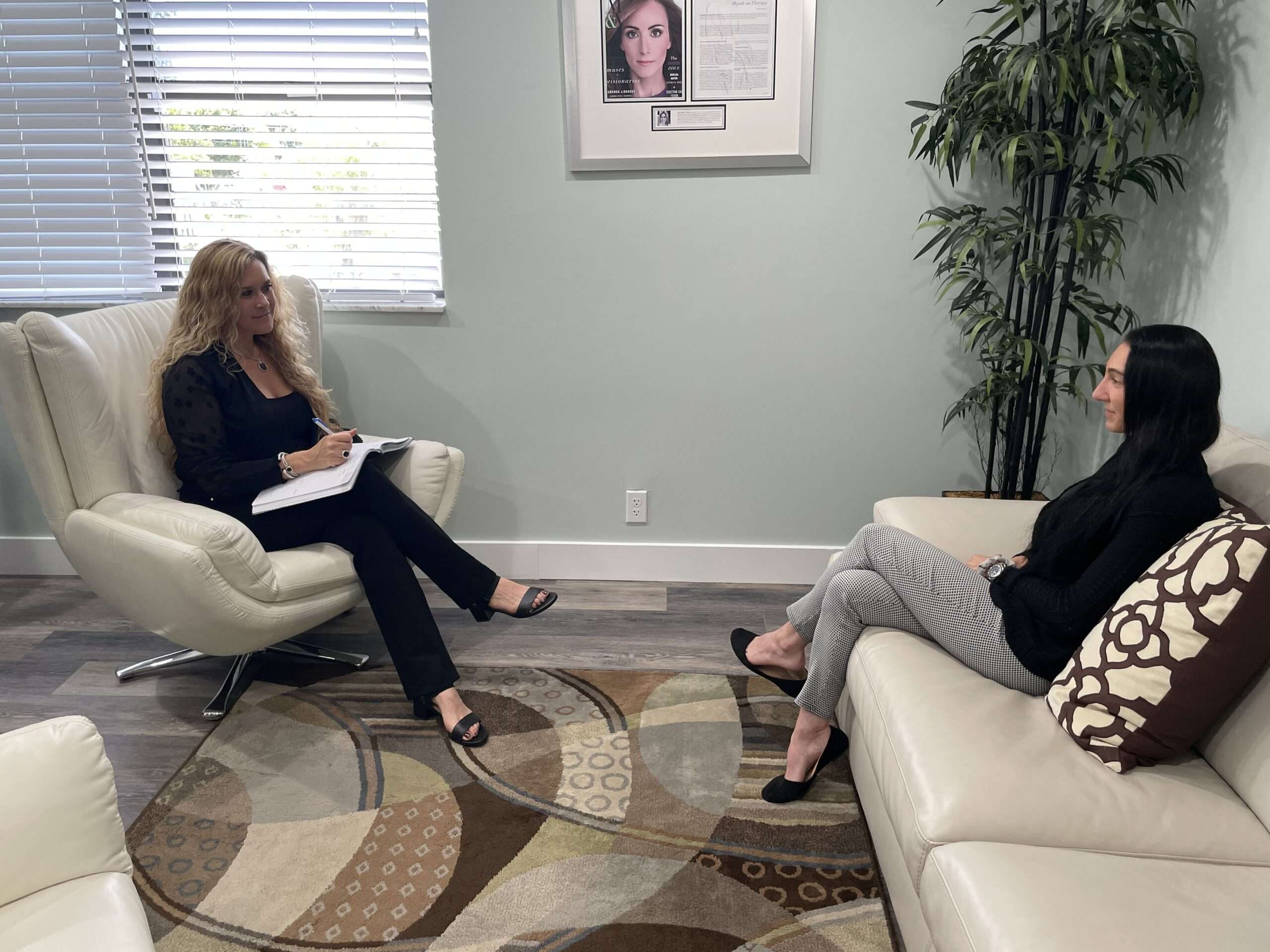
At Whole Health Psychological Center, our team of licensed therapists specializes in working with teenagers ages 13 through 17 in West Palm Beach and throughout Florida. We offer in-person sessions at our West Palm Beach office and telehealth sessions for teens throughout Florida. We provide a confidential, non-judgmental space where teenagers can finally say what they have been holding inside — and get the support they deserve.
Teenagers often cannot or will not tell you directly that they are struggling. Instead, their distress shows up in their behavior, their moods, and their relationships. Some signs that your teen may benefit from professional support include:
Emotional signs such as persistent sadness, hopelessness, excessive worry, mood swings, emotional numbness, or frequent tearfulness.
Behavioral signs such as increased irritability or aggression, defiance, risk-taking behavior, self-harm, substance use, or sudden changes in personality.
Social signs such as withdrawal from friends and family, loss of interest in activities they previously enjoyed, or becoming intensely focused on a new peer group that concerns you.
Academic signs such as a significant drop in grades, skipping school, loss of motivation, or teacher reports of disengagement or behavioral problems in the classroom.
Physical signs such as changes in sleep patterns, appetite changes, frequent unexplained physical complaints like headaches or stomachaches, or a decline in personal hygiene and self-care.
Trauma responses such as nightmares, flashbacks, hypervigilance, or avoidance of people, places, or situations connected to a distressing experience.
Identity and self-esteem struggles such as negative self-talk, body image concerns, confusion about identity, or expressing feelings of worthlessness.
If you are seeing several of these signs — or if your gut is telling you that something is wrong — trusting that instinct and reaching out for a professional evaluation is always the right move.
Working effectively with teenagers requires a different approach than working with adults or young children. Teenagers need to feel that their therapist is genuinely on their side — not an extension of their parents or another authority figure who is going to tell them what to do.
Our therapists who work with teens are skilled at building authentic, trusting relationships with adolescents. We meet teenagers where they are, speak to them as the young adults they are becoming, and create a space where honesty and openness feel possible.
Depending on your teen’s needs and preferences, their therapist may draw from:
Cognitive Behavioral Therapy (CBT) to help teenagers identify and challenge the negative thought patterns driving anxiety, depression, or low self-esteem.
Dialectical Behavior Therapy (DBT) which provides practical skills for managing intense emotions, tolerating distress, improving relationships, and reducing impulsive or self-destructive behavior. DBT is particularly effective for teens who struggle with emotional dysregulation.
Trauma-Informed Therapy including EMDR for teenagers whose struggles are rooted in past traumatic experiences. See our PTSD therapy page for more on how we approach trauma.
Mindfulness-Based Approaches to help teens develop greater self-awareness, emotional regulation, and stress management skills.
Solution-Focused Therapy for teens who want practical tools and strategies rather than extended exploration of the past.
Our teen therapists work with a wide range of concerns including:
Anxiety including generalized anxiety, social anxiety, panic attacks, school-related anxiety, and performance anxiety.
Depression including persistent sadness, hopelessness, loss of motivation, and withdrawal from relationships and activities.
Trauma and PTSD resulting from abuse, assault, accidents, or other overwhelming experiences.
Self-harm and suicidal ideation addressed with compassion, safety planning, and evidence-based treatment.
Eating concerns including disordered eating patterns, body image struggles, and the emotional patterns underlying them.
ADHD including difficulty with focus, organization, impulse control, and academic performance.
Grief and loss following the death of a loved one, a significant relationship ending, or other major losses.
Identity and LGBTQ+ concerns including support for teens navigating questions of sexual orientation, gender identity, and related family and social dynamics.
Family conflict including communication breakdowns, parental divorce, blended family adjustment, and strained parent-teen relationships. For issues that affect the whole family, we also offer family therapy.
Academic stress and perfectionism including burnout, test anxiety, and the pressure of college preparation.
One of the most common questions parents ask is how involved they should be in their teenager’s therapy. The answer depends on the teen’s age, the nature of their concerns, and their individual needs and preferences.
In general, we believe that parents are important partners in the therapeutic process — but that teenagers also need a degree of confidentiality to feel safe enough to be honest in therapy. Our therapists navigate this balance carefully, maintaining appropriate privacy for your teen while keeping you informed about progress and involving you in ways that support your teen’s growth.
For many families, periodic parent sessions alongside the teenager’s individual therapy provide the best outcomes. Your therapist will discuss the right balance with you at the outset and revisit it as treatment progresses.
The teenagers we see in Palm Beach County are dealing with a lot. The academic pressure at schools like Suncoast, Dreyfoos School of the Arts, American Heritage, or the competitive public and private schools up and down the county. The social comparison of growing up in a community where some classmates have private jets and others are working two after-school jobs to help their families — and social media flattens the difference. The complicated feelings that come from being a snowbird kid who loses half their friend group every April, or a newly relocated teen trying to find their place at a school where everyone already has their people. The anxiety of hurricane season, the pressure of college admissions in a community that takes both extremely seriously, and the ordinary weight of being a teenager in 2026.
Our teen therapists work with families from throughout West Palm Beach — including Northwood, Flamingo Park, El Cid, Southend, Grandview Heights, and Downtown — as well as from Palm Beach Gardens, Jupiter, Wellington, Boynton Beach, Boca Raton, and Delray Beach. Wherever your teenager is coming from — whatever school they attend, whatever social world they navigate — our therapists will meet them as an individual, not a diagnosis.
Your First Appointment
We typically begin with a parent consultation to gather background information about your teen’s history, development, and current concerns. Depending on your teen’s age and the nature of their struggles, your teen may also be involved in this first meeting.
Your Teen’s First Session
Your teen’s first individual session is focused on building rapport. Your therapist will explain how therapy works, clarify confidentiality, and spend time getting to know your teen as a person — their interests, their relationships, and what is important to them. There is no pressure to dive into difficult topics immediately.
Ongoing Sessions
Sessions are 55 minutes and occur weekly. Your therapist will provide regular updates on your teen’s progress and adjust the approach as needed. Most teenagers begin showing meaningful improvement within 8 to 16 sessions, though this varies depending on the complexity of their concerns.
We offer in-person teen therapy sessions at our West Palm Beach office at 1920 Palm Beach Lakes Blvd #211, West Palm Beach, FL 33409. Telehealth sessions are available for teenagers throughout Florida via secure, HIPAA-compliant video — a convenient option for busy schedules and teens who prefer the comfort of their own space.
We accept most major insurance plans for teen therapy, including Aetna, Blue Cross Blue Shield / Florida Blue, Cigna / Evernorth, United Health Care, Tricare East, and Medicare Part B.
Not sure if your teen’s plan is covered? Call our office at (561) 721-6400 and our team will verify your benefits before the first appointment.
What if my teenager refuses to go to therapy?
This is very common. Many teenagers are resistant to the idea of therapy initially, particularly if they feel it is being imposed on them. It can help to involve your teen in the process — letting them have some input in choosing their therapist, explaining that therapy is confidential, and framing it as support rather than punishment. Our therapists are experienced in working with reluctant teens and are skilled at making the first session feel safe and worthwhile.
Will the therapist tell me everything my teenager says?
No. Confidentiality is essential for teenagers to feel safe enough to be honest in therapy. Your teen’s therapist will not share the content of sessions without your teen’s consent except in situations involving safety — specifically if your teen discloses intent to harm themselves or others, or reports abuse. Your therapist will explain confidentiality clearly to both you and your teen at the outset.
My teenager says nothing is wrong. Should I still pursue therapy?
Yes, if you are observing significant changes in your teen’s behavior, mood, or functioning. Teenagers often minimize their struggles or genuinely lack insight into what they are experiencing. A professional evaluation can help clarify whether therapy is needed and provide your teen with an opportunity to connect with a supportive adult outside the family.
Can therapy help with school problems?
Absolutely. Many academic struggles in teenagers have emotional roots — anxiety, depression, ADHD, trauma, or family stress can all significantly impact a teen’s ability to focus, perform, and engage at school. Therapy can address the underlying emotional factors while also providing practical strategies for academic success.
Do you work with teens who identify as LGBTQ+?
Yes. Our therapists provide affirming, knowledgeable support for LGBTQ+ teenagers navigating questions of identity, coming out, family acceptance, and related mental health concerns. We are committed to creating a safe and inclusive space for all teens.
The teenage years are some of the most formative of a person’s life. The emotional patterns, coping skills, and sense of self that develop during adolescence shape who a person becomes as an adult. Getting the right support during this critical window can make a profound and lasting difference.
Our team of licensed therapists at Whole Health Psychological Center is here to help your teenager navigate this season of life with greater confidence, resilience, and emotional wellbeing. We serve teenagers in person in West Palm Beach and via telehealth throughout Florida.
Call us today at (561) 721-6400 or schedule online to take the first step. New client appointments are typically available within one week. Evening and weekend sessions are available.
Call us at (561) 721-6400, email us at info@wholehealthpsych.com, or visit us in person at 1920 Palm Beach Lakes Blvd #211, West Palm Beach, FL 33409. Telehealth is available throughout Florida.
We provide teen therapy and adolescent counseling in West Palm Beach, Palm Beach Gardens, Wellington, Boca Raton, Boynton Beach, Jupiter, Delray Beach, and throughout Florida via telehealth.

Deep breathing, a tool for decreasing anxiety.

Tips for parents during the pandemic

Sports Psychology is the use of psychological knowledge and skills to encourage optimal performance and well-being of athletes. It also addresses the developmental, social, and systemic components of sports and the organizations, coaches, and players involved.